
How many days should I load beetroot before a race?
3-6 days of consistent supplementation saturates the nitrate pool and raises baseline blood nitrite levels, amplifying the acute dose effect on race day. Three days is the minimum for measurable benefit; 5-6 days provides diminishing returns but near-maximal saturation. Do not load for more than 7 days continuously without a 1-2 day break.
The Dietary Nitrate Loading Protocol: Race Week Mastery
In the 72 hours leading up to a major competition, every nutritional decision counts. While most athletes focus on carbohydrate loading, elite performers focus on Nitrate Loading.
A single dose of beetroot before a race is beneficial, but clinical research (Jones et al., 2014) shows that a multi-day loading protocol results in significantly greater improvements in time-trial performance and oxygen economy.
This guide outlines the precise calendar for saturating your nitrate pool.
The 3-Day Race Week Calendar
To achieve the "Threshold Edge," you must saturate your system with inorganic nitrates for three days prior to your start gun.
Day 3 before Race (The Base Load)
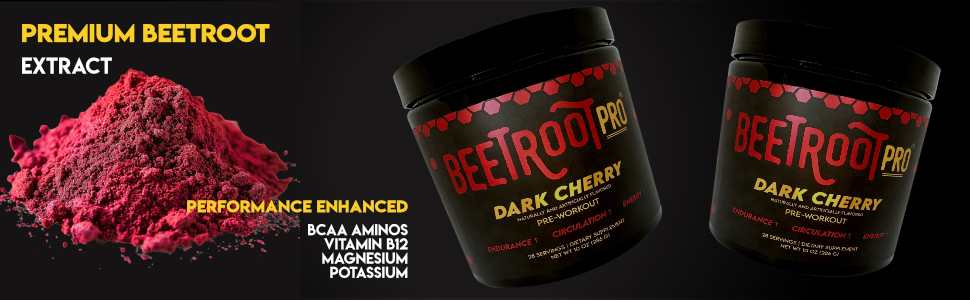
- Morning: 1 serving of Beetroot Pro® Dark Cherry.
- Evening: 1 serving of Beetroot Pro® Dark Cherry.
- Goal: Begin building the nitrate pool in the blood and salivary glands.
Day 2 before Race (The Saturation Load)
- Morning: 1 serving of Beetroot Pro® Dark Cherry.
- Evening: 1 serving of Beetroot Pro® Dark Cherry.
- Goal: Achieve full systemic saturation. Maintain consistent levels to optimize mitochondrial response.
Day 1 before Race (The Maintenance Load)
- Morning: 1 serving of Beetroot Pro® Dark Cherry.
- Evening: 1 serving of Beetroot Pro® Dark Cherry.
- Goal: Ensure the body enters race day with maximal nitrate availability.
Race Day (The Tactical Deployment)
- Timing: 1-2 servings consumed 90 minutes before the start gun.
- Goal: Time the peak blood nitrite concentration (60 to 150 minutes post-ingestion) to coincide with your highest intensity effort.
Why Loading is Superior to Acute Dosing
While an acute (one-time) dose provides immediate vasodilation, chronic loading (3+ days) triggers secondary adaptations:
- Mitochondrial Remodeling: Chronic exposure to nitrate has been shown to improve the efficiency of mitochondrial respiration (Larsen et al., 2011).
- Tissue Saturation: Nitrates are stored in muscle tissue and can be released during periods of low oxygen (hypoxia), such as a final sprint or a heavy climb.
- Blood Pressure Stability: Multi-day loading provides a more stable reduction in systolic blood pressure, reducing cardiovascular strain during prolonged endurance events.
Protocol Checklist for Success
- Avoid Mouthwash: Do not use antibacterial mouthwash during the loading phase. Oral bacteria are required to reduce nitrate to nitrite. Mouthwash kills these bacteria and can completely block the performance benefits of beetroot.
- Hydration: Maintain high water intake to support blood volume and circulation.
- Consistency: Use a standardized extract like Beetroot Pro®. Raw juice or non-standardized powders are too variable to guarantee the 6 to 8 mmol dose required for this protocol.
The Bottom Line
Carb loading fills your fuel tank; Nitrate loading optimizes your engine's efficiency. By following the 3-day protocol, you ensure that every ounce of oxygen you consume is used with maximal efficiency.
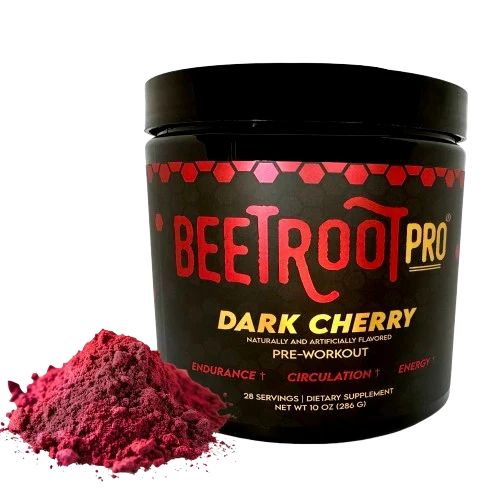
Deploy the 3-Day Protocol with Beetroot Pro® Dark Cherry
Scientific References:
- Jones AM, et al. (2014). Dietary nitrate supplementation and exercise performance. Sports Medicine.
- Lansley KE, et al. (2011). Acute dietary nitrate supplementation improves 2000-m rowing performance.
- Larsen FJ, et al. (2011). Dietary inorganic nitrate improves mitochondrial efficiency in humans. Cell Metabolism.
FDA Disclaimer: These statements have not been evaluated by the Food and Drug Administration. This product is not intended to diagnose, treat, cure, or prevent any disease.
Maximize your results: Learn how to stack your nutrition for peak performance in our VO2 Max Supplements Guide.
How many days should I load beetroot before a race?
3-6 days of consistent supplementation saturates the nitrate pool and raises baseline blood nitrite levels, amplifying the acute dose effect on race day. Three days is the minimum for measurable benefit; 5-6 days provides diminishing returns but near-maximal saturation. Do not load for more than 7 days continuously without a 1-2 day break.
Should I take beetroot the morning of a race even after loading?
Yes. The loading plan builds a saturated nitrate baseline; the acute race-morning dose provides a final spike on top of that baseline. Take one serving 60 minutes before the start. Skipping the race-day dose after loading leaves performance on the table.
Can I load beetroot nitrate during training blocks?
Yes, and this is recommended for high-volume training periods. Daily supplementation during a training block may enhance adaptation by improving oxygen delivery during hard sessions, allowing higher quality work. Some athletes supplement every training day during a build phase and only use the 3-day taper protocol for target races.
Continue reading
Related Articles
Apr 26, 2026
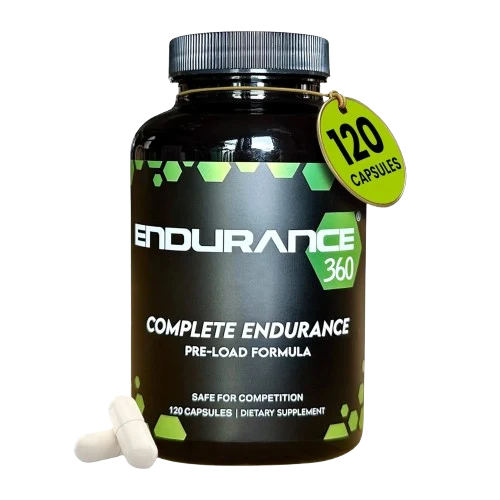
Endurance360 vs Optygen HP: A Complete Ingredient and Value Comparison
A direct ingredient-by-ingredient comparison of Endurance360 and 1st Endurance Optygen HP. Price, formula breadth, and which adaptogen stack delivers more for endurance athletes.
Apr 26, 2026
Rhodiola Rosea for Endurance Athletes: What the Research Actually Shows
What rhodiola rosea actually does for endurance athletes, how it reduces RPE and cortisol during heavy training loads, the correct cycling protocol, and how it fits into Endurance360.

Apr 13, 2026
Beetroot Powder vs. Beet Juice: The Complete Athlete's Guide
Compare standardized beetroot extract, raw juice, and powders. Learn why clinical nitrate levels matter for your performance HUD.
The Ultimate
VO2 Max Stack
- Acute Nitric Oxide Vasodilation
- Chronic Lactic Acid Buffering
- Stimulant Free, cGMP Certified Manufacturing
*Technical citations and PubMed references are provided for performance education only. These statements have not been evaluated by the FDA.