Endurance360® vs Optygen HP
Ingredient-by-Ingredient Breakdown
Athletes on TrainerRoad and Slowtwitch keep asking which one is actually worth it. Here is the data.
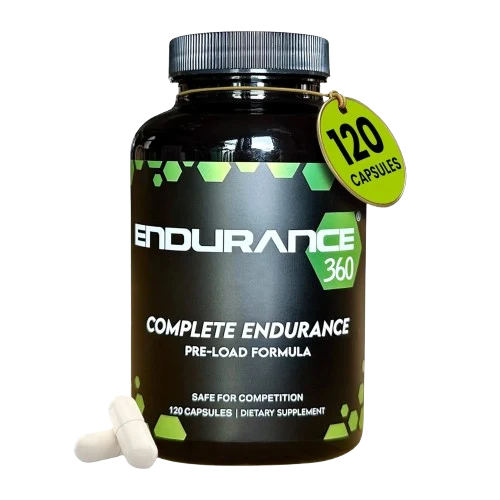
Endurance360® Wins on Creatine, Botanical Total, and Cost
Endurance360 is the only one of the two with creatine monohydrate. Its Cellular Oxygenation blend is 1,200 mg of cordyceps and rhodiola against the 950 mg Optygen HP discloses, and a serving costs 38% less ($2.67 per serving on their side). Optygen HP wins two rows back: it publishes six individual ingredient amounts where Endurance360 publishes three blend totals, and it discloses more cordyceps specifically.
Ingredient Breakdown
Endurance360 discloses blend totals, not per-ingredient splits, so amounts inside a blend are shown as the blend total. Optygen HP amounts are taken from its published label (verified August 2026). Single Ingredient column shows typical standalone product doses.
| Ingredient | Winner Endurance360® | Optygen HP | Single Ingredient |
|---|---|---|---|
| Beta-Alanine | Within the 2,000 mg Endurance Blend | 1,500 mg | 2,000 to 3,000 mg standalone |
| Creatine Monohydrate | Within the 2,000 mg Endurance Blend | Not included | 5,000 mg standalone |
| Cordyceps + rhodiola, combined | 1,200 mg Cellular Oxygenation blend | 950 mg (800 mg + 150 mg) | Bought separately |
| Rhodiola Rosea Extract | Within the 1,200 mg Cellular Oxygenation blend | 150 mg (5% rosavins) | 200 to 400 mg standalone |
| Cordyceps Extract (mycelium) | Within the 1,200 mg Cellular Oxygenation blend | 800 mg, individually disclosed | 500 to 1,500 mg standalone |
| Amino acid matrix (L-Carnosine, Taurine, L-Arginine, L-Tyrosine, L-Methionine) | 310 mg Muscle Strength blend | Not included | EAA / BCAA standalone |
| Ashwagandha | Not included | 150 mg | 600 mg standalone (KSM-66) |
| Chromium | Not included | 200 mcg | Standalone available |
| Senactiv® (Panax notoginseng, Rosa roxburghii) | Not included | 50 mg, disclosed as its own line | Rarely sold standalone |
| ATPro™ Matrix (calcium pyruvate, sodium phosphate, potassium phosphate, ribose) | Not included | 500 mg blend total, components named, no splits | Standalone available |
| Label transparency | Calcium 20 mg, then three blend totals covering eight actives, no splits | Six amounts disclosed, plus two named blends (50 mg, 500 mg) | Typically fully transparent |
Single Ingredient column reflects typical standalone product doses available from common suppliers.
Does the Evidence Support It?
Beta-Alanine: Neither Product Hits the Trial Dose
Beta-alanine is the most important ingredient to compare directly, and the honest answer is that neither product delivers a research dose of it. Clinical work on carnosine saturation uses 2.4 to 4.8 g daily. Optygen HP discloses 1,500 mg. Endurance360 puts its beta-alanine inside a 2,000 mg blend it shares with creatine, so the actual beta-alanine figure is lower than 2,000 mg and is not published.
That matters more than which product edges the other. If muscle carnosine saturation is your goal, the range used by Harris RC et al. (2006) and subsequent meta-analyses is what you should be dosing to, and reaching it means adding standalone beta-alanine powder on top of either product. Anyone telling you a 4-capsule or 5-capsule daily serving saturates carnosine on its own is selling you something.
Creatine: The Endurance Compound Optygen HP Forgot
Creatine monohydrate is one of the most-studied performance compounds in sports nutrition, with IOC and ISSN position statements supporting its use for high-intensity, repeat-effort, and threshold work. For endurance athletes, creatine raises the ceiling on sustained power output and accelerates recovery between hard intervals. Optygen HP does not include creatine in any form.
Endurance360 carries creatine monohydrate alongside beta-alanine inside the 2,000 mg Endurance Blend. This means a single daily dose covers both the lactic-acid buffering pathway (beta-alanine) and the ATP regeneration pathway (creatine) at the same time. Athletes who use Optygen HP and want creatine have to add a second product, which both raises cost and complicates daily compliance during a loading block.
If you are building from a clean sheet, creatine and beta-alanine are the two highest-evidence ingredients you can include. Endurance360 has both. Optygen HP has only one of them, at a disclosed 1,500 mg.
Cordyceps and Rhodiola: More Botanical, Less Disclosure
Endurance360 carries 1,200 mg of combined cordyceps and rhodiola in its Cellular Oxygenation blend. Optygen HP carries 950 mg of the same two botanicals, disclosed individually as 800 mg cordyceps and 150 mg rhodiola. So Endurance360 provides about 26% more total botanical material, and Optygen HP tells you exactly how that material is divided while Endurance360 does not.
Which of those you weight more is a real choice, not a marketing one. Human studies on rhodiola and exercise performance typically use 200 to 680 mg, and cordyceps trials typically use 1 to 3 g, so Optygen HP’s 150 mg of rhodiola sits below the studied range while its 800 mg of cordyceps sits near the bottom of one. Endurance360’s split is not published, so it cannot be placed against either range, and we will not pretend otherwise.
Cost Comparison
What about buying the ingredients separately?
Raw beta-alanine powder and creatine monohydrate in bulk are available cheaply from commodity suppliers. Adding quality cordyceps and rhodiola capsules brings the DIY build close to or above $1.66 per serving when sourced from a cGMP-certified supplier. The tradeoff is label verification, manufacturing consistency, and the convenience of one product vs five. Endurance360 bridges the gap: one product instead of five, cGMP manufacturing, and 38% less per serving than Optygen HP.
Switching From Optygen HP
Endurance360 is the closest direct alternative to Optygen HP: same three core compounds (cordyceps, rhodiola, beta-alanine), plus creatine monohydrate that Optygen HP does not include, at $1.66 per serving against $2.67. You give up per-ingredient label disclosure, ashwagandha and chromium. There is no washout period, so you can start the day your current bottle runs out.
Timing the switch. Optygen HP is a daily-loaded formula and so is Endurance360, so the two occupy the same slot in a training block. Beta-alanine and creatine both need 10 to 14 days of daily dosing to reach saturation, which means the cleanest switch point is the start of a training block rather than race week. If you are inside two weeks of a goal event, finish the bottle you are on and switch afterwards.
What changes day to day. Serving size goes from 4 capsules to 5. Expect beta-alanine paresthesia (the harmless tingling) in the first 30 to 60 minutes, which Optygen HP users at 1,500 mg may already be familiar with. Neither product contains a stimulant, so nothing changes about caffeine timing or sleep.
When not to switch. If you specifically want ashwagandha for training stress, want chromium, or need per-ingredient amounts printed on the label for a governing body or a coach, Optygen HP is the better fit and we would rather say so here than have you find out after buying. Neither product carries NSF Certified for Sport or Informed Sport certification.
Common Questions
Does Endurance360 actually work or is it placebo?+
How do the doses in Endurance360 compare to published research?+
What is in the Optygen HP ATPro Matrix proprietary blend?+
Which label actually tells you more, Endurance360 or Optygen HP?+
Is Endurance360 safe for drug-tested athletes?+
Should I take Endurance360 year-round or cycle it seasonally?+
Can I just buy the ingredients separately for less?+
How long before I feel results?+
Is Optygen HP worth the cost? Are there cheaper alternatives that actually work?+
The Loading Plan Built for Endurance Athletes
Beta-alanine, creatine monohydrate, cordyceps and rhodiola in one formula. Start the 14-day loading window two weeks before your peak training block.
FDA Disclaimer: These statements have not been evaluated by the Food and Drug Administration. This product is not intended to diagnose, treat, cure, or prevent any disease.