Transform Your Endurance Performance with Rhodiola and Cordyceps Adaptogens: The Short Answer
Rhodiola rosea and cordyceps are the two adaptogens with the strongest clinical evidence for endurance athletes. Rhodiola (200 to 600 mg daily, standardized to 3% rosavins and 1% salidroside) reduces perceived exertion and supports cortisol regulation during heavy training. Cordyceps (fruiting-body extract, 1g+ daily for 3 to 6 weeks) shows modest VO2 max gains of 3 to 7% via improved mitochondrial ATP synthesis. They are complementary: rhodiola targets CNS fatigue, cordyceps targets aerobic metabolism.
Transform Your Endurance Performance with Rhodiola and Cordyceps Adaptogens
Rhodiola rosea and cordyceps are the two adaptogens with the strongest clinical evidence for endurance athletes. Rhodiola (200 to 600 mg daily, standardized to 3% rosavins and 1% salidroside) reduces perceived exertion and supports cortisol regulation. Cordyceps (1 g+ daily fruiting-body extract over 3 to 6 weeks) produces modest 3 to 7% VO2 max gains via improved mitochondrial ATP synthesis. They are complementary, not redundant: rhodiola targets CNS fatigue, cordyceps targets aerobic metabolism.
Adaptogens are natural substances that help the body adapt to stress. They are non-toxic, non-addictive, and safe for long-term use, making them well-suited to endurance athletes who carry chronic training load. For performance, two have meaningful clinical evidence: rhodiola rosea and cordyceps. This guide covers the dosing, timing, and mechanisms behind both.
How Adaptogens Can Boost Athletic Performance
Adaptogens improve endurance performance via two mechanisms rather than one: rhodiola reduces perceived exertion and modulates the cortisol stress response, allowing you to train harder before subjective fatigue caps the session; cordyceps directly improves mitochondrial ATP synthesis and oxygen utilization, raising VO2 max and time to exhaustion. The combined effect compounds across an 8 to 12 week training block.
If you're an endurance athlete, you know that performance is a combination of physical, nutritional, and mental abilities that require high levels of stamina, strength, focus, and endurance.
As you face various challenges in your training, such as beating personal records (Strava KOMs!), you may be looking for ways to enhance your performance.
PubMed: Chronic Rhodiola Rosea supplementation is able to reduce both lactate levels and parameters of skeletal muscle damage after an exhaustive exercise session.
What Are Adaptogens?
Adaptogens are a class of plant and fungal compounds that help the body regulate its stress response and return to homeostasis. Defined criteria: they must be non-toxic at standard doses, normalize body functions (rather than push in one direction like stimulants), and exert a global rather than organ-specific effect. Rhodiola rosea, ashwagandha, cordyceps, panax ginseng, and eleuthero are the most-studied adaptogens for athletic performance.
Wikipedia: Withania somnifera, known commonly as ashwagandha or winter cherry,[2][3][4] is an evergreen shrub in the Solanaceae or nightshade family that grows in India, the Middle East, and parts of Africa.
That's where adaptogens come in. Adaptogens are a group of natural substances that can help your body adapt to stress and improve overall well-being. In this article, we'll explore how adaptogens can benefit you as an athlete and improve your athletic performance.
PodiumRunner: Sherpa climbers chew on rhodiola for an energy and endurance boost when helping mountaineers scale Mt. Everest.
Health sciences indicate adaptogens are natural substances that can help your body cope with stress and increase resilience to physical and mental challenges. They work by regulating your body's response to stress and promoting balance, or homeostasis, in your various systems.
Adaptogens have been used for centuries in traditional medicine practices and are gaining popularity in Western medicine and sports performance. You can find these most often in the form of capsule dietary supplements.
PodiumRunner: Cordyceps helps speed transfer of oxygen from red blood cells to mitochondria. It is a Tibetan mushroom used in traditional Chinese medicine
Check out Early Breakaway Pack
Why Adaptogens Are Well-Suited to Endurance Athletes
Three properties make adaptogens uniquely useful for endurance athletes: (1) chronic safety profile that supports long training blocks without cycling off; (2) modulation of the HPA-axis stress response, which matters more for endurance athletes carrying high training volume than for power athletes; (3) non-stimulant mechanism that does not interfere with sleep or recovery. The trade-off is slow onset: 4 to 8 weeks of consistent dosing before benefits appear.
They are non-toxic, non-addictive, and safe for long-term use. They can improve physical and mental performance of the human body by reducing fatigue, increasing endurance, enhancing cognitive function, and boosting the immune system.
Adaptogens can also help with recovery from intense training, aerobic exercise, reducing inflammation, and improving sleep quality.
BioMedCentral: Acute Rhodiola rosea ingestion decreases the heart rate response to sub-maximal exercise, and appears to improve endurance exercise performance.
Top Endurance Adaptogens by Evidence Tier
By clinical evidence tier for endurance: (1) rhodiola rosea (strong, reduces perceived exertion and lactate at submaximal intensities); (2) cordyceps (moderate-to-strong, 3 to 7% VO2 max improvement after 3 to 6 weeks); (3) ashwagandha (moderate, supports recovery and stress management); (4) panax ginseng (mixed evidence, modest effect); (5) eleuthero (weakest direct performance evidence). Endurance360 includes the top two.
Ashwagandha, Cordyceps, Ginseng, and Eleuthero (Siberian Ginseng). Rhodiola and Ashwagandha are popular adaptogens that have been shown to improve physical and mental performance, reduce fatigue, and increase endurance.
Healthline: The adaptogenic nature of rhodiola makes it a popular supplement for fighting fatigue and other symptoms associated with stress.
Cordyceps is a type of mushroom that can help improve oxygen uptake and utilization, enhance recovery, and reduce fatigue. Ginseng and Eleuthero are other popular adaptogens that can improve physical and mental performance, reduce stress and anxiety, and enhance recovery.
National Library of Medicine: Study suggests that supplementation with Cs-4 (Cordyceps sinensis) improves exercise performance and might contribute to wellness in healthy older subjects
A recent clinical study by the University of North Carolina concluded that supplementing cordyceps for at least three weeks improved maximum oxygen intake during intense exercise in participants.
Top Adaptogens for Athletic Performance
The two adaptogens with the deepest performance evidence base are rhodiola rosea (standardized to 3% rosavins and 1% salidroside, 200 to 600 mg daily, 4 to 8 weeks to peak effect) and cordyceps (CS-4 or fruiting-body extract, 1 to 3 g daily, 3 to 6 weeks to peak effect). Ashwagandha is a competitive third for recovery-focused use. Rhodiola targets the CNS; cordyceps targets the mitochondria; ashwagandha targets HPA-axis stress.
What is Rhodiola good for
Rhodiola Rosea: Rhodiola is a popular adaptogen that has been shown to improve physical and mental performance. It can help reduce fatigue and increase endurance, making it an ideal supplement for athletes. Rhodiola has also been shown to improve cognitive function and reduce stress and anxiety.
Ashwagandha: Ashwagandha is another popular adaptogen that has been used for centuries in Ayurvedic medicine. It can help improve endurance and reduce fatigue, making it an ideal supplement for athletes. Ashwagandha has also been shown to reduce stress and anxiety, improve sleep quality, and enhance cognitive function.
Cordyceps: Cordyceps is a type of mushroom that has been used for centuries in traditional Chinese medicine. It can help improve oxygen uptake and utilization, making it an ideal supplement for athletes. Cordyceps has also been shown to improve endurance, reduce fatigue, and enhance recovery.
how much cordyceps per day
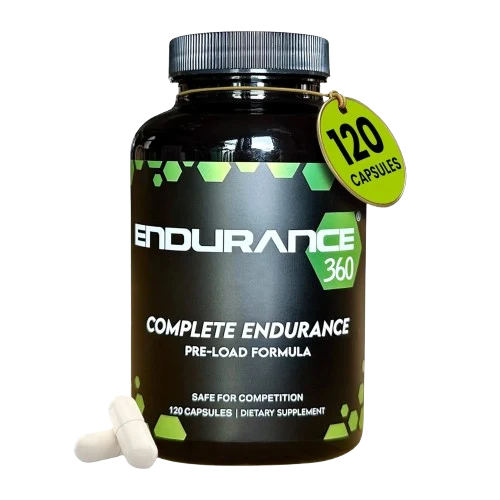
Endurance360® contains 600mg of Cordyceps. For full absorption, We recommend taking a full serving (5 capsules) each day, sometime around breakfast.
Rhodiola and Cordyceps for Well-Being
Rhodiola and cordyceps can be taken year-round for general well-being and resilience, not just during peak training blocks. Daily dosing maintains the stress-buffering effect through normal life stressors as well as training stress. Athletes who use them only during racing seasons miss most of the chronic benefit. Pair with adequate sleep (8 to 9 hours), a balanced diet, and stress-management practices for compounded effect.
You can take adaptogens regularly to promote overall well-being and resilience to stress. However, for athletes, it's recommended to use adaptogens before and after intense training to enhance performance and recovery. It's also essential to maintain a healthy diet, get enough sleep, and practice stress-reducing techniques like meditation and yoga to maximize the benefits of adaptogens.
Triathlete.com: In clinical studies, cordyceps feeding results in significant improvements in fatigue, oxygen uptake, and endurance exercise performance.
Rhodiola: One mechanism for rhodiola’s anti-fatigue effects is an enhancement of oxygen efficiency , with subjects living at high altitude (5,380 meters) showing a beneficial effect of rhodiola supplementation on blood oxygen levels, time to exhaustion, VO2peak, and pulmonary ventilation during endurance exercise.
Adaptogens are a group of natural substances that can help you as an athlete improve physical and mental performance. They work by promoting balance and resilience to stress and enhancing various body systems. Incorporating adaptogens into your training regimen, along with healthy habits and stress-reducing techniques, may help you achieve your performance goals.
Author -Cameron Hoffman
The best supplement for endurance athletes: Endurance360® contains a balanced dose of Rhodiola and Cordyceps.
It is recommended to consult with a healthcare professional before taking any dietary supplement especially if you have any medical condition, pregnancy, breastfeeding or are on any medication.
Science Hub: Learn more about how adaptogens fit into your overall VO2 Max strategy.
FDA Disclaimer: These statements have not been evaluated by the Food and Drug Administration. This product is not intended to diagnose, treat, cure, or prevent any disease.
Continue reading
Related Articles
Apr 13, 2026
Potassium for Endurance Athletes: Sweat Loss, Cramps, and Daily Targets (2026)
Potassium supports muscle contraction, fluid balance, and nerve signaling. Endurance athletes lose 100 to 300 mg per hour of training in sweat. How much to replace, and when.
Apr 26, 2026
Cordyceps for Endurance: Mycelium vs Fruiting Body (Honest Review)
The skeptic's guide to cordyceps for endurance athletes. What the human clinical trials actually show, the mycelium vs fruiting body debate, realistic timelines, and why the extract form matters.

Apr 13, 2026
Beta-Alanine for Endurance Athletes: The Science of Lactic Acid Buffering
Delay the burn. Understand how beta-alanine buffers lactic acid and extends your threshold capacity during high-intensity sessions.
Complete
Endurance 360
- Chronic Lactic Acid Buffering
- ATP & Cellular Saturation
- Cordyceps & Adaptogen Matrix
*Technical citations and PubMed references are provided for performance education only. These statements have not been evaluated by the FDA.