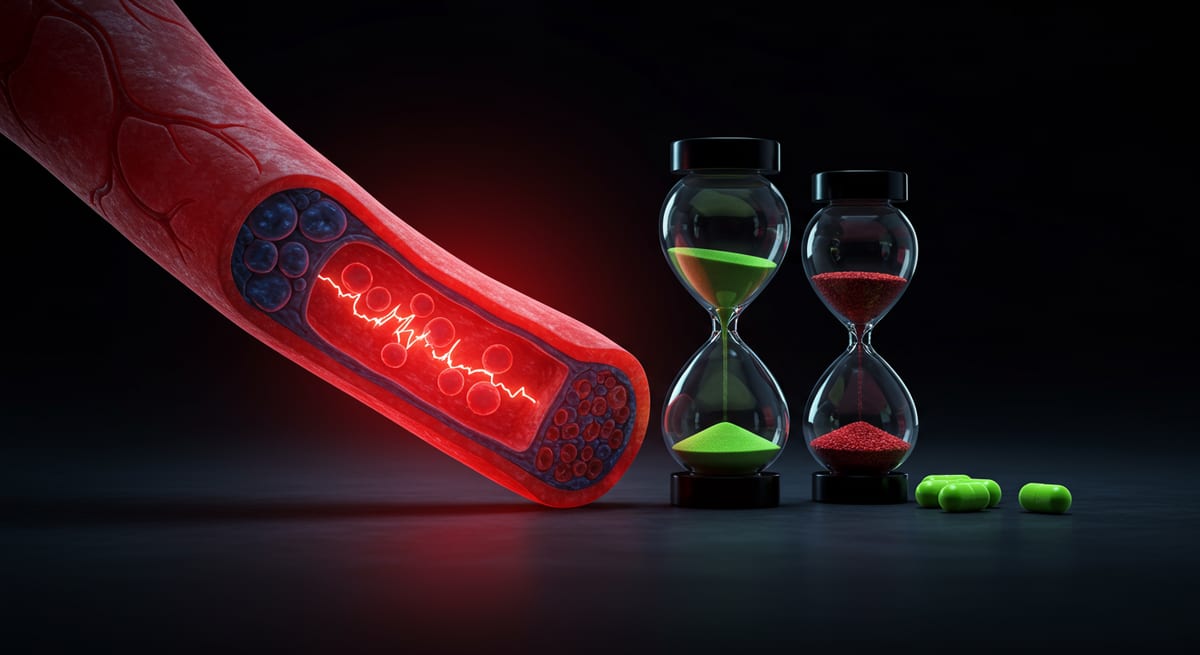
How Aging Lowers Nitric Oxide (and How to Restore It): The Short Answer
Nitric oxide declines with age as endothelial function, NOS enzyme activity, and oxidative stress all worsen, raising blood pressure and reducing blood flow. Dietary beetroot nitrate bypasses the aging eNOS enzyme entirely through the nitrate-nitrite-NO pathway. For masters athletes, meta-analyses show it lowering systolic blood pressure by roughly 4 to 5 mmHg while supporting cerebral blood flow and recovery. A daily morning serving keeps plasma nitrate above baseline; no cycling needed.
Aging is a natural process that brings about a multitude of changes in our bodies, and one of the lesser-known aspects is its effect on nitric oxide (NO) levels. Nitric oxide is a tiny molecule with a big role to play in maintaining our health. In this blog post, we'll explore how nitric oxide levels change as we age and why it matters for our overall well-being.
The Role of Nitric Oxide
Nitric oxide is a signaling molecule produced by the endothelium that performs three core functions in the body: vasodilation for blood pressure and blood flow, immune defense against pathogens, and neurotransmission between nerve cells. All three functions decline as nitric oxide production drops with age, which is why the aging effect described in this post reaches beyond cardiovascular health alone.
Before delving into the age-related changes, let's first understand the importance of nitric oxide in our bodies:
Vasodilation
Nitric oxide helps relax and widen blood vessels, ensuring that blood flows smoothly. This is vital for maintaining healthy blood pressure and ensuring our organs receive the oxygen and nutrients they need.
Immune Support
Nitric oxide plays a part in our immune system's response to invaders. It assists in defending our bodies against infections.
Neurotransmission
Within the nervous system, nitric oxide serves as a neurotransmitter, aiding communication between nerve cells.
Nitric Oxide and Aging
Four overlapping mechanisms drive the age-related decline in nitric oxide: endothelial dysfunction, oxidative stress, reduced nitric oxide synthase (NOS) activity, and cumulative lifestyle factors. Endothelial eNOS activity, the enzyme most responsible for vascular nitric oxide production, falls roughly 50 percent between ages 25 and 60. Each mechanism compounds the others, so the practical effect on blood flow and blood pressure is larger than any single factor alone.
As we age, several factors contribute to a decline in nitric oxide levels:
- Endothelial dysfunction: nitric oxide is predominantly produced by the endothelium, the inner lining of blood vessels. The aging process makes the endothelium less efficient at generating nitric oxide, which can lead to reduced blood vessel dilation and potential blood pressure issues.
- Oxidative stress: aging is often accompanied by increased oxidative stress, which diminishes nitric oxide's availability. Reactive oxygen species (ROS) react with nitric oxide, rendering it inactive.
- Reduced nitric oxide synthase activity: nitric oxide is synthesized by enzymes known as nitric oxide synthases (NOS). Age-related changes can lead to reduced NOS activity, limiting nitric oxide production at the source.
- Lifestyle factors: poor diet, a lack of exercise, smoking, and chronic diseases all exacerbate the decline in nitric oxide levels as we age, independent of the biological aging process itself.
| Age range | Approximate change in vascular NO capacity | Practical effect |
|---|---|---|
| 25 to 40 | Baseline to mild decline | Minimal measurable change in blood flow or blood pressure |
| 40 to 60 | Endothelial eNOS activity down roughly 50 percent | Reduced vasodilation, rising blood pressure risk |
| 60+ | Continued decline, compounded by oxidative stress | Higher cardiovascular and vascular health risk without intervention |
The Consequences of Low Nitric Oxide
Declining nitric oxide with age is clinically significant because it drives two of the most common cardiovascular problems in older adults: hypertension (high blood pressure) and atherosclerosis (hardening of the arteries). Reduced nitric oxide availability also impairs overall vascular health more broadly, raising the risk of other age-related conditions beyond the cardiovascular system.
The decline in nitric oxide levels as we age is a cause for concern because it can contribute to cardiovascular problems, including hypertension and atherosclerosis. Furthermore, reduced nitric oxide availability can impair overall vascular health and increase the risk of other age-related health issues. This is distinct from the cognitive-specific effects of cerebral blood flow decline, which are covered in depth in the beetroot and brain health guide for aging athletes; this section focuses on the broader, whole-body vascular picture.
Beetroot Pro delivers standardized dietary nitrate to lower the oxygen cost of every effort.
Maintaining Healthy Nitric Oxide Levels
Two levers support healthy nitric oxide production as you age: lifestyle habits that protect the endothelium, and, when appropriate, guidance from a healthcare provider on dietary support. A balanced diet, regular exercise, stress management, and avoiding tobacco and excessive alcohol all directly support the vascular pathways that produce nitric oxide.
So, what can you do to support healthy nitric oxide levels as you age?
- Adopt a healthy lifestyle: a balanced diet, regular exercise, stress management, and avoiding tobacco and excessive alcohol consumption all play a crucial role in promoting cardiovascular health and nitric oxide production.
- Consult a healthcare provider: if you have specific health concerns or conditions, healthcare professionals may recommend dietary supplements or medications to help support nitric oxide production.
- Support the pathway directly with dietary nitrate: beetroot nitrate converts to nitric oxide through the nitrate-nitrite-NO pathway, which does not depend on the aging eNOS enzyme. This is covered in detail in the nitric oxide and athletic performance guide and the section below.
As we age, our bodies undergo various changes, including a natural decline in nitric oxide levels. Understanding the significance of nitric oxide and its role in our overall health is essential. By adopting a healthy lifestyle and seeking guidance from healthcare experts, we can better manage the effects of aging on nitric oxide production and enjoy better cardiovascular health in our later years.
Nitric Oxide and Longevity for Masters Athletes
For masters athletes, dietary nitrate supports three systems that decline with age at once: cardiovascular function, cognitive blood flow, and recovery capacity. Because beetroot nitrate works through the nitrate-nitrite-NO pathway, it bypasses the aging eNOS enzyme entirely, providing substrate the body already knows how to process.
This makes dietary nitrate uniquely suited to a longevity-focused approach rather than a race-day-only one:
- Cardiovascular: meta-analyses show dietary nitrate lowering systolic blood pressure by roughly 4 to 5 mmHg.
- Cognitive: nitrate increases cerebral blood flow, particularly to the prefrontal cortex during exertion.
- Musculoskeletal: NO signaling supports bone remodeling and post-exercise recovery blood flow.
For athletes over 35 who want the race-day version of this protocol, the masters athlete protocol covers the 5-day nitrate load, the VO2 max reference table by age group, and the daily baseline plan.
For year-round support, consistency matters more than timing. A daily morning serving keeps plasma nitrate above baseline across all three systems. On training days, Beetroot Pro® recommends timing the serving 60 to 90 minutes before exercise; on rest days, the morning dose covers general health support. Unlike caffeine, nitrate does not require cycling; the benefit holds with consistent daily use.
FDA Disclaimer: These statements have not been evaluated by the Food and Drug Administration. This product is not intended to diagnose, treat, cure, or prevent any disease.
Maximize your results: Learn how to stack your nutrition for peak performance in our VO2 Max Supplements Guide.
Technical FAQ Extension
Why do nitric oxide levels drop as we age?
Several factors contribute to declining nitric oxide with age. The endothelium, the inner lining of blood vessels that produces most NO, becomes less efficient. Oxidative stress increases, and reactive oxygen species react with nitric oxide to render it inactive. Nitric oxide synthase (NOS) enzyme activity can also fall, and lifestyle factors like poor diet, inactivity, and smoking worsen the decline.
What does nitric oxide actually do in the body?
Nitric oxide relaxes and widens blood vessels (vasodilation), which helps maintain healthy blood pressure and ensures organs receive oxygen and nutrients. It also supports the immune system's response to infections and acts as a neurotransmitter, aiding communication between nerve cells. It is a small molecule with a large role in overall health.
What happens if my nitric oxide gets too low?
Declining nitric oxide is a concern because it can contribute to cardiovascular problems, including hypertension and atherosclerosis (hardening of the arteries). Reduced NO availability can also impair overall vascular health and raise the risk of other age-related issues. Supporting healthy levels through a balanced diet, regular exercise, stress management, and avoiding tobacco can help.
Continue reading
Related Articles

Apr 13, 2026
How Beetroot Powder Boosts Nitric Oxide for Endurance
Nitrate from beetroot converts to nitric oxide, widening blood vessels for better oxygen delivery. Peak effect hits 60 to 90 minutes after dosing.

May 15, 2026
Beetroot and Brain Health in Aging Athletes
Nitric oxide regulates cerebral blood flow. As eNOS declines with age, beetroot nitrate supports cognition, focus, and reaction time for masters athletes.
Jul 19, 2019
12 Proven Beetroot Benefits for Endurance Athletes
The beetroot benefits endurance athletes rely on: nitric oxide, faster VO2 max, lower blood pressure, less muscle soreness. Dosing guide included.
Technical
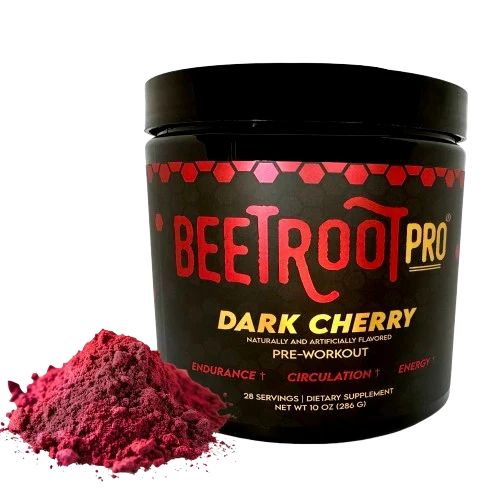
Beetroot Pro
- Patented betaine nitrate
- Acute Oxygen Efficiency
- Low Sugar / Oxalate Free
*Technical citations and PubMed references are provided for performance education only. These statements have not been evaluated by the FDA.